5 Essential Tools for Your Documentary Camera Package

In this writeup, we take a look at five of the best, highest-quality tools and accessories to make your documentary camera package top-notch.
Building the perfect documentary camera package is a constantly changing process. Through years of trial and error, you find which camera system (and accompanying tools and accessories) works best for you.
Although cameras constantly evolve, accessories can remain consistent across multiple camera systems. For this reason, I’ve always found it highly advantageous to buy the highest-quality tools and accessories I can afford.
Extra Batteries
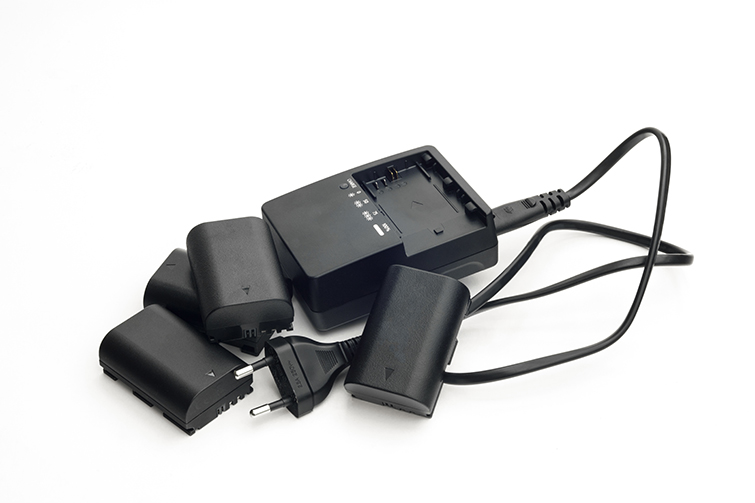
We’ve all been there. You’ve gone out, and you’ve forgotten to charge your battery. Even worse is being out on a shoot and having your camera battery die.
Batteries should always be a go-to purchase when building out a new camera system or a current one; having 2-3 extra batteries in your gear bag on a shoot can make the difference between capturing the moment or kicking yourself at the end because you ran out of juice.
I highly recommend buying official 1st party brand batteries rather than some off-brand batteries. While they’re a bit more expensive, you can usually pick up twice the amount of after-market batteries for the same price. But, by knowing your batteries are made by the company who produced your camera, you know you’ll get the total capacity and quality you should be expecting. You can also ensure they’re manufactured precisely for your camera and won’t overheat or surge the power in your camera.
Portable chargers are also a safe way of charging your spare batteries while shooting. Yes, it’s an extra thing to bring along with you, including the battery charger itself, but if you are serious about filming for hours, it’s worthwhile to bring it as a backup. Most charger setups these days are pretty nimble, and it is definitely worth the extra space in your bag.
Always have a few packs of AA or AAA batteries. Having a few standard-sized batteries in your bag can save a shoot since things like lapel microphones to lighting panels often use them. We also recommend getting into a routine after your shoot. Make sure you’re pulling all of your batteries out and getting them on the charger. This sort of post-shoot ritual will save you lots of heartache down the road and make sure you come off as polished and professional when working on set.
Memory Cards
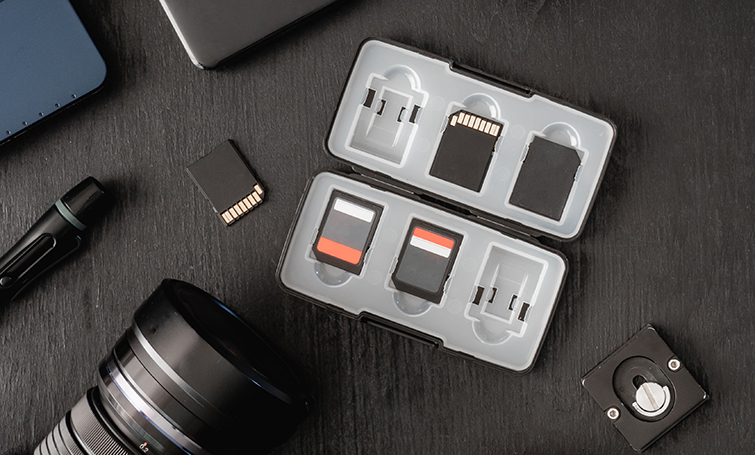
Memory is also vital. Having that extra memory card on hand can make a massive difference to the success of your shoot. We’ve all been there, fearing erasing a card because you haven’t properly backed up your footage. You’ll have some options if you have a few extra memory cards.
If you’re shooting multiple cameras, it’s always suggested to have spares; you never know if the footage can corrupt the whole card. Every year, prices drop on larger capacitates, making it a more accessible way to expand your kit and provide you some peace of mind while on set.
We’ve also written a list of the best portable SSDs for videographers on the move if you need to backup your footage for shoots on the go.
Cage System
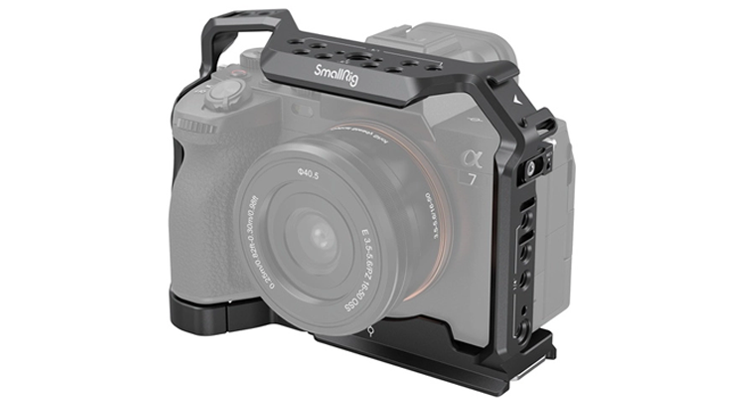
Having multiple items attached to your camera body can weigh it down and make it super uncomfortable to use. A camera cage like the Smallrig system gives you a huge range of options to mount and attach items like monitors, lights, microphones, or handles to your liking.
With the number of accessories and options at your disposal, a camera cage is a fantastic way to not only protect the camera’s body but also give you several options for customizing your camera accessory setup.
Headphones
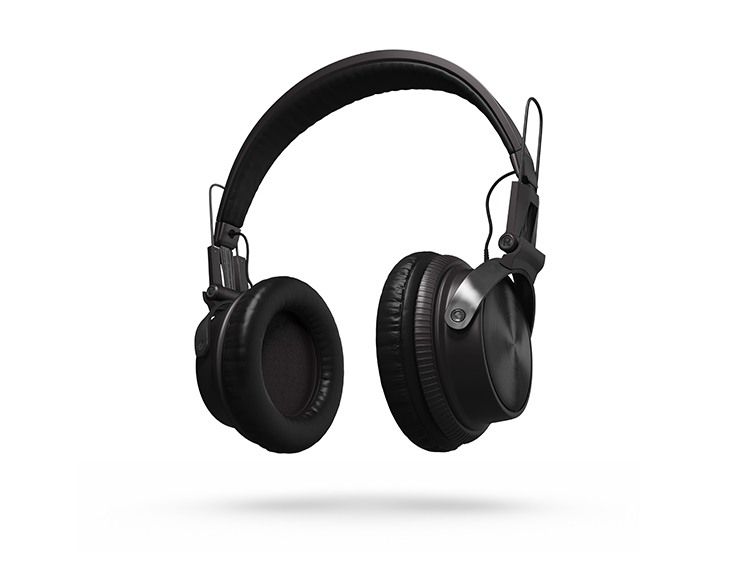
It’s amazing how many people don’t pack a pair of headphones in their gear bag. Something so simple as packing a pair of 3.5mm earbuds or over-ear headphones can make or break a shooting day for me.
Audio plays a crucial role in your final edit. You want to ensure you are getting the cleanest and clearest audio you can. Nothing is worse than reviewing footage after a shoot only to hear a small hum or noise in your audio. Without a good pair of over-the-ear headphones, it’s easy to miss small things that make a huge difference in your audio quality.
They don’t have to be the top-spec or the most expensive pair on the market. Just get something with a 3.5mm jack and some sort of strong build quality. You can get 3.5mm adaptors if you need to utilize a standard pair you already own.
Spending that few extra minutes to review your footage with a pair of headphones and knowing the sound levels are on point helps me to stay focused on what shots I need throughout the rest of the shoot.
Bonus! Pack a few pairs of lower-quality headphones or earbuds as a backup. I have had countless situations on set where an extra pair were needed….and when headphones are needed, it doesn’t matter if they’re earbuds—trust me.
Notepad + Pen
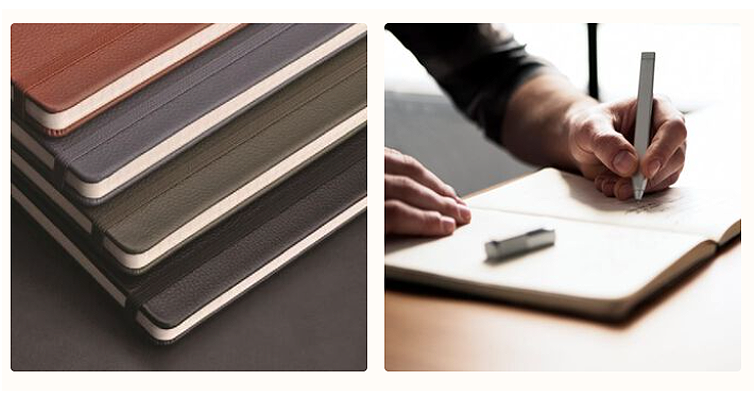
Something so simple yet effective, a notepad is a must! Taking down camera settings, a checklist of shots needed, location spots—a notepad has infinite uses. We are so used to using our smartphones these days that we forget the simplicity and tactile nature of writing down notes instead of typing them out.
What if your phone dies, or you need to conserve battery, but all your notes and lists are on your phone? A notepad will never run out of battery. With a multitude of sizes, materials, and designs, a notepad is such an inexpensive but powerful tool to have for every filmmaker.
We highly recommend looking into some of the options Plot Devices can offer. In the Storyboard Notebook, you can plan your shots and framing, make lighting plots, orchestrate a shot list, and keep notes while on set. It’s one of my new favorite products for filmmakers, plus it’s super cost effective for all the value it provides.
External Monitor
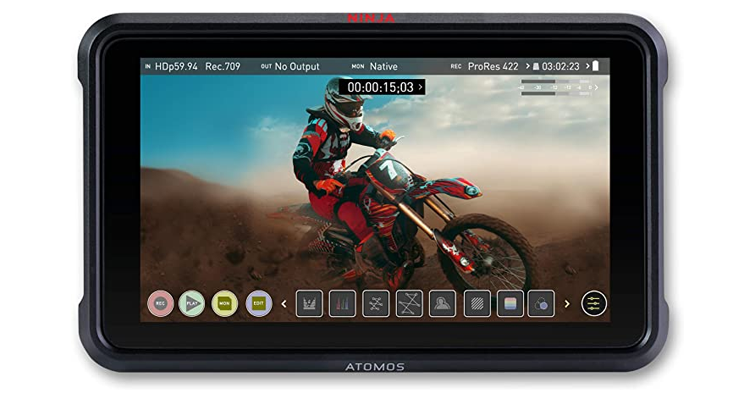
Documentary filmmakers tend to keep their camera packages as light and portable as possible. As a result, external monitors are typically one of the first things to go. However, each year monitors get lighter and smaller. As a result, it is now possible for you to fit them into almost any setup. The added benefits of false color, focus peaking, higher resolution, and various other perks make external monitors an essential addition.
Fortunately, external monitor manufacturers like SmallHD, Atomos, and BlackMagic have taken the need for lightweight options into consideration with products offering high-quality footage playback with accurate color reproduction at an affordable price. For this reason, it’s now an even easier choice to add a monitor to your documentary camera package.
Multi-tool
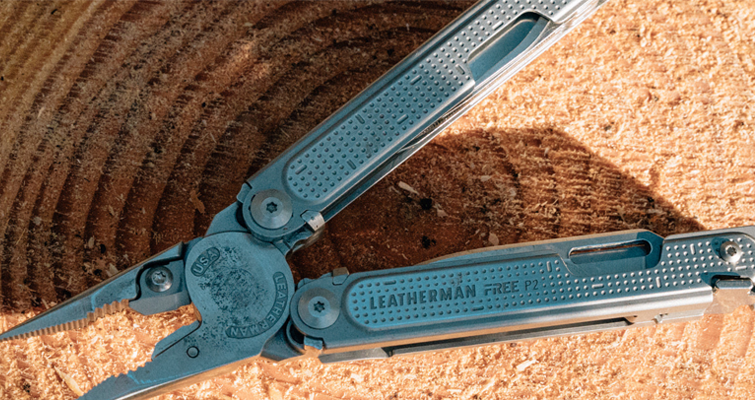
Not only is a multi-tool a handy item to have in life, but it is a true lifeline on set. It offers everything from a keychain-sized tool to a standard-sized multi-tool with over fifty different bits for everything you can think of. The range of other options on the market is mind-blowing.
Having something like a multi-tool on you makes it so much easier to remove a quick-release plate or to tighten up a loose screw. I do recommend going for a Leatherman branded multi-tool since they’ve had such high-quality products for quite a long time. If you don’t need a huge range of tools, then I also recommend the SmallRig Folding Tool Set.
Follow Focus
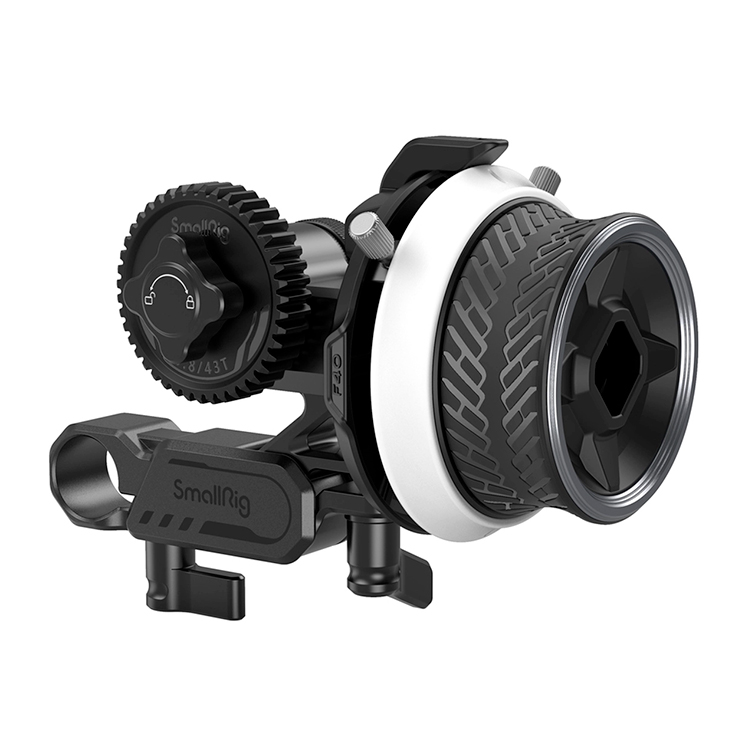
A solid follow focus system will last you multiple cameras and lens systems. It will prove vastly beneficial when you’re filming reactionary style content essential in documentary filmmaking. If your focus fails, then your shot could also fail. While it’s not fully necessary for every shoot and situation, we do recommend adding one of these into your setup.
We’ve compiled a list of The 9 Best, Budget-Friendly Follow Focuses on the Market, which can give you some options with whatever budget you have available.
Filters
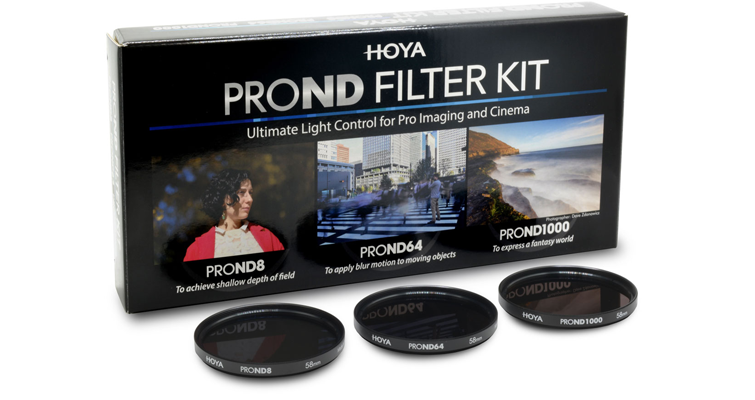
Although this is a given for any setup, having a range of filters available to you can really help. Need some sort of protection? Throw on a UV or clear filter. Need to capture that beautiful blue sky without blowing it out? Throw on a polarizing filter.
There is a huge range of filter types, and having the right filter for the right moment can really make your footage stand out and give it the polish it deserves. I recommend getting a set of filters from brands like Tiffen or Hoya and a few stepping rings to adapt them to multiple lenses you may have.
Our team here at the Shutterstock blog has made a few tutorials on Polarizing Filters and a Grad ND Filter showing you how they work to get the best out of them. Enjoy!
We’ve posted multiple articles on the blog about filters below:
- Are we using Diffusion Filters for the Right Reasons?
- Are Clear UV Filters a Pro or a Con for Expensive Lenses?
- The 3 Best Pro-Mist Filters for Creating Dreamy Cinematic Looks
- Some of the Best and Most Affordable Variable ND Filters of 2020
Small LED Light Panels
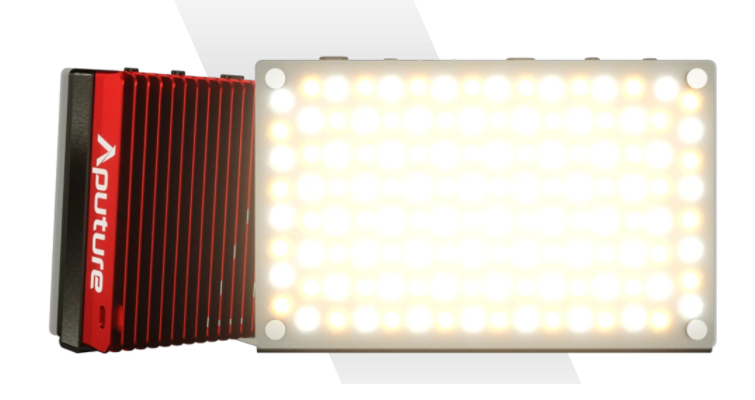
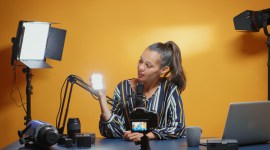
Lighting is essential, and light panels are a key item in any videographer’s gear bag. They come in a range of different sizes and shapes. From hot-shoe mounted panels to credit card-sized or tiny cubed panels, there is something on the market right now for every situation.
Having some light source that you can control the temperature and brightness on the fly is clutch. Maybe you need an extra key or rim light to set a mood or focus on a subject. As we know, these small details can make or break a shot.
One brand at the forefront of lighting is Aputure, offering all types of solutions to fit everyone’s needs with the highest quality and reliability on the market, from their vast Nova P600C to the tiny but incredible Aputure MC.
We’ve also recommended some budget-friendly panels in our roundup of 5 Small, Budget-Friendly Lights for Any Camera Setup.