Learning Curve: How to Use a Geared Tripod Head
In this video tutorial, we’ll explore the origins of the geared head, when and how it was used, and why filmmakers still use it to this day.
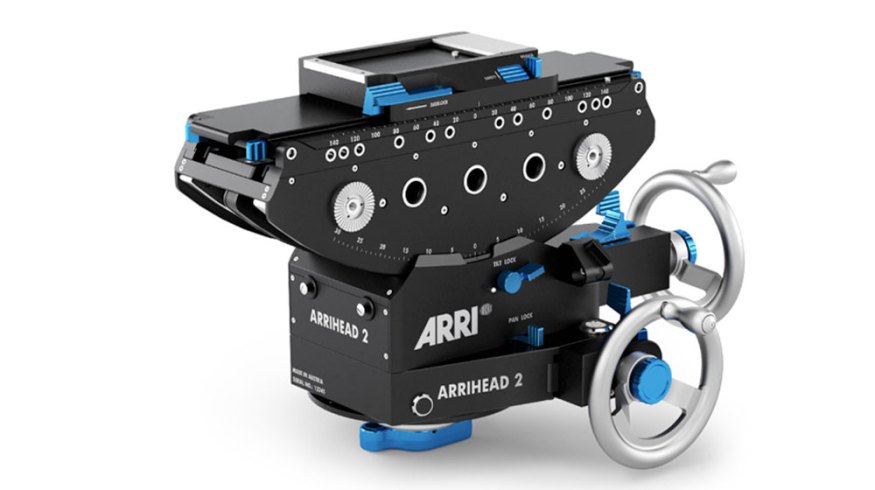
When cameras moved to color process in the ’40s, they suddenly became too heavy for conventional friction tripods. So, engineers developed a device called a “geared head” that moved the tripod head on its vertical and horizontal axes via two wheels attached to gears. One wheel controlled the camera’s tilt — the other its pan.
Geared Head vs. Fluid Head
Skill with these new geared heads became a requirement for camera operation in Hollywood. Cam ops were eager to show off their skills by such tricks as attaching a piece of chalk to the tripod head and writing their names in cursive.

The geared head offered controlled, smooth camera movements at a time when cameras were increasing in size.
When smaller cameras came along in the ’60s and ’70s, the fluid head took over from the geared head because it was cheaper to produce and took less specialized skill to operate. However, the geared head continued to be in use because of the smooth, controlled movements it offered.
Operation and Cost
I set out to learn how to use the geared head, never having operated one before. It was initially frustrating, like controlling a camera with an etch-a-sketch, but I was able to gain dexterity after a couple hours.
The main limitation to learning the geared head is the availability of a unit to practice with. The industry standard — ARRIHEAD — costs over $20,000 to buy and rents out for around $200 a day. I was able to borrow a cheaper, off-brand unit that I used to familiarize myself with the controls, without spending a ton of money.
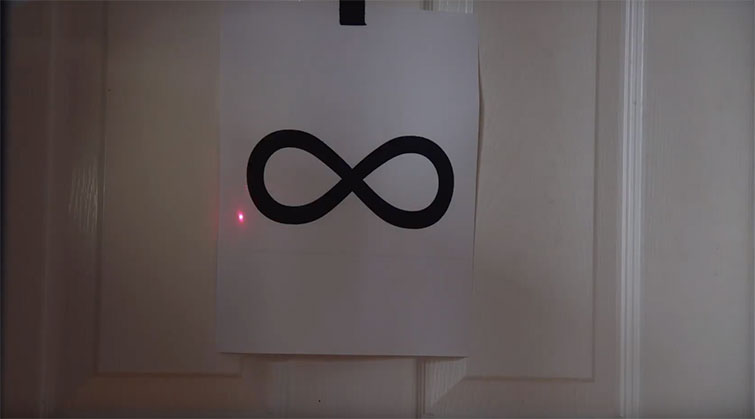
By attaching a laser pointer to the geared head, you can practice tracking using the wheels.
I started by attaching a laser pointer to the unit and tracing a simple square on the wall. Once I could do that successfully, I moved on to the infinity symbol, which took around an hour to trace consistently.
Once I had some success, I rented a pro-level geared head for a weekend and tried various shots. After some adjusting to the better, smoother controls, I was able to shoot with the camera and nail shots after one or two takes.
It took close to five hours of total practice time to get an acceptable shot on the third take, but this was spread over a couple of weeks. I have no doubt that if someone was serious about operating a geared head, they could develop a professional level of skill pretty quickly.
Cover image via ARRI.
Interested in the tracks we used to make this video?
- “Saint Tropez” by Biba Dupont
- “Baton Rouge” by Biba Dupont
- “Lo Fi Highway Night” by Trending Music
- “Desire” by Trending Music
- “Retro Dreams” by Jericho Studio
- “Calling Your Name” by Magnetize Music
Looking for more film and video production tutorials? Check these out.