
How to Choose the Right Microphone for Every Project

Whether you’re an audiophile seeking pristine quality or a content creator seeking efficiency, the right microphone is essential. Here’s everything you need to know to choose the right mic for your project.
Embarking on a creative audio endeavor necessitates a crucial decision: choosing the right microphone. Your microphone selection lays the foundation for the success of your project, and navigating the vast array of options can be a daunting task, especially for beginners.
Let’s dive into a comprehensive guide on what to consider when embarking on your microphone selection journey.
The Significance of Audio
In the realm of creative work, audio plays an indispensable role in enhancing the authenticity and impact of your content. Whether you’re aiming to capture the subtle nuances of a musical masterpiece, record dialogue for a film, or create engaging social media content, a microphone is your trusted companion.
Microphones, like any piece of equipment, possess various attributes that require careful consideration when making a purchase. With an abundance of microphone choices available, gaining a deeper understanding of these factors and how they align with your specific needs empowers you to make an informed decision and select the ideal microphone.
Evaluating Your Work Environment
Before delving into the specifics of microphone types and their unique characteristics, it’s essential to assess the nature of your work and the environments you’ll be operating in.
Are you primarily working in a controlled studio setting, or will your creative journey take you outdoors to capture the world’s ambient sounds? Identifying your intended recording context is pivotal.
Your choice may revolve around vocal recording, musical instrumentation, or the captivating world of field recording. Understanding the nature of the sounds you intend to capture significantly influences the microphone best suited for your endeavors.

Choosing the Right Microphone
Microphones come in an array of shapes, sizes, and functionalities, each tailored to specific scenarios and purposes. These microphones are designed to excel in particular applications, offering varying levels of sensitivity, durability, and directional characteristics.
Let’s explore some common microphone types prevalent in the creative industry.
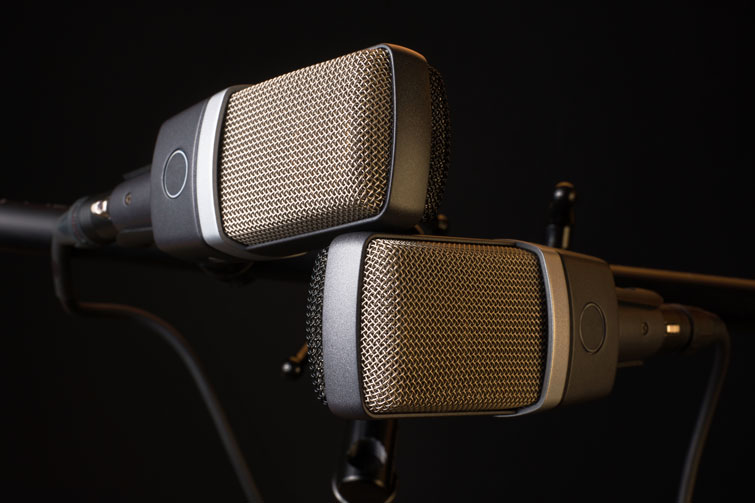
Large Diaphragm Condenser Microphones
Large diaphragm condenser microphones, ideal for studio environments, excel in capturing vocals and sound sources with high Sound Pressure Levels (SPL).
Their larger diaphragms are designed to capture lower frequencies, making them perfect for the human voice and other powerful sound sources.

Dynamic and Ribbon Microphones
Dynamic microphones are favored for live performances, boasting durability and the ability to handle high volumes.
Ribbon microphones, known for their sensitivity and warmth, find their niche in controlled studio environments due to their delicate construction.
Lavalier Microphones
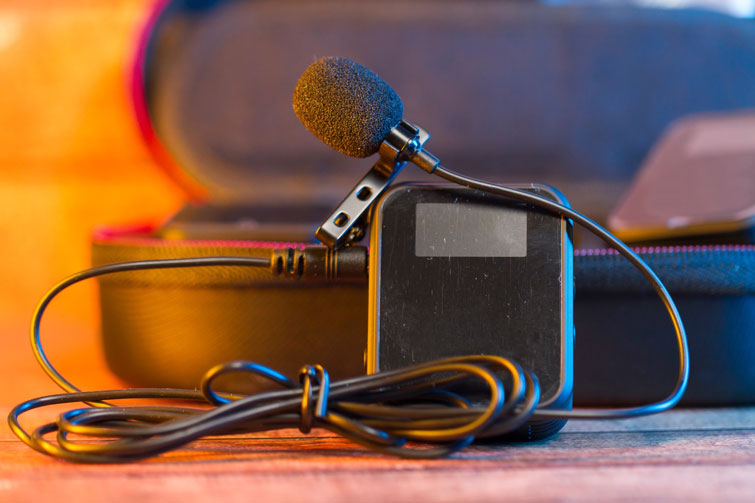
Lavalier microphones, ideal for content creators, offer a hands-free recording solution. Discreet and unobtrusive, these tiny mics deliver clear voice capture and are particularly useful when attached to clothing.
They work in tandem with a transceiver device, eliminating the need for post-production audio syncing.
Condenser Microphones
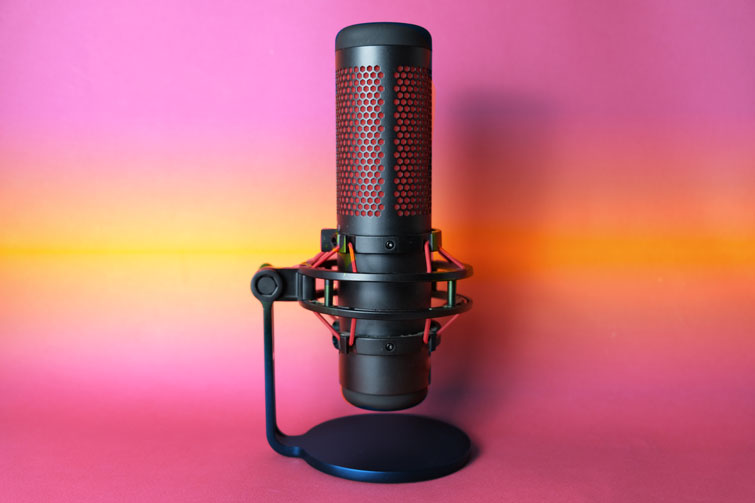
Condenser microphones enjoy popularity in music production and filmmaking due to their versatility and ability to capture intricate details across a broad spectrum of sound sources.
These microphones excel in capturing vocals, instruments, and ambient sounds with exceptional clarity.
Shotgun Microphones
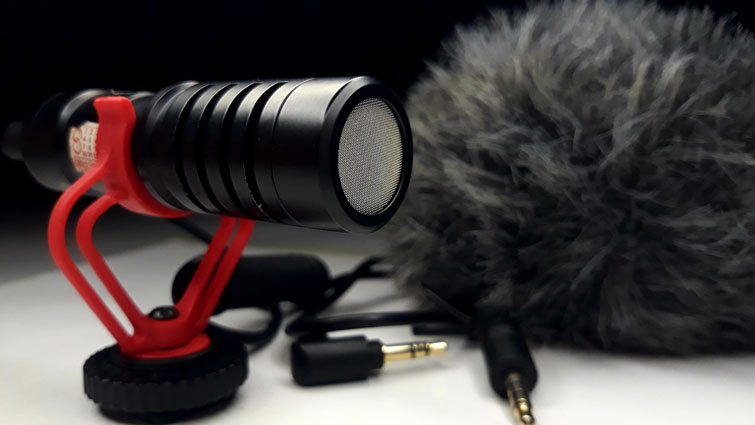
Shotgun microphones, a subset of condenser microphones, are renowned for their high directionality. They focus on capturing sound directly in front of the microphone while minimizing unwanted noise from the sides.
Equipped with interference tubes in front of the diaphragm, they achieve precise sound isolation and excel in both indoor and outdoor recording scenarios.
Directionality and Proximity Effect
Understanding microphone directionality and proximity effect can greatly enhance your audio recording experience. Microphones can be omnidirectional, cardioid, supercardioid, or bidirectional (figure-eight), each with its unique pickup pattern.
Omnidirectional microphones capture sound equally from all directions, making them ideal for ambient recordings or capturing a room’s natural acoustics.
Cardioid microphones are more focused, primarily picking up sound from the front while rejecting noise from the rear. This pattern is excellent for isolating a sound source or reducing background noise, making it a popular choice for vocals and podcasting.
Supercardioid microphones offer an even narrower pickup pattern, providing superior off-axis rejection. They excel in live sound reinforcement and studio environments where background noise needs to be minimized further.
Bidirectional microphones capture sound from the front and back while rejecting noise from the sides. They are ideal for interviews, duets, or scenarios where you want to capture sound sources from opposite directions.
Proximity effect is another factor to consider, especially with cardioid and supercardioid microphones. When you move closer to these microphones, the low-frequency response increases, resulting in a richer and warmer tone. Understanding and controlling proximity effect can help you achieve the desired audio quality.
Microphone Accessories
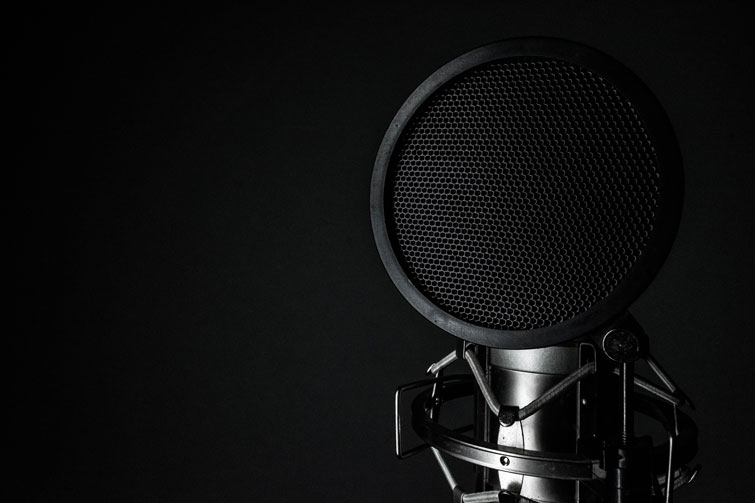
To maximize your microphone’s performance, consider investing in essential accessories. Pop filters are used to reduce plosive sounds (like “p” and “b” sounds) that can cause unwanted noise in your recordings.
Shock mounts isolate the microphone from vibrations and handling noise, ensuring cleaner sound capture. Boom arms and microphone stands provide stability and flexibility in positioning your microphone, allowing you to find the perfect angle and height for your recording.
Budget Considerations
While there is a wide range of microphones available to suit various budgets, it’s essential to strike a balance between cost and quality. High-end microphones offer exceptional audio fidelity, but they can be quite expensive.
However, for those just starting out, there are plenty of budget-friendly options that can still provide excellent sound quality for your projects.
In conclusion, choosing the right microphone involves understanding your specific needs, considering the recording environment, and exploring various microphone types and accessories.
With this knowledge, you can make an informed decision and select the perfect microphone to elevate your audio recordings, whether you’re a beginner or a seasoned audio professional.
License this cover image via GBJSTOCK.